


Why Finding Apartments Allowing Large Dogs Feels Like Mission Impossible
Apartments allowing large dogs are becoming harder to find, even though 57% of Canadians have pets and pet-friendly buildings see lower vacancy rates. Here's what you need to know:
Quick Facts for Large Dog Owners:
- Most apartments cap dog weight at 25-50 pounds
- Large dogs typically mean 60+ pounds to landlords
- Pet deposits average 40-85% of monthly rent
- Monthly pet rent ranges $50-$100 per dog
- Some properties accept all breeds with temperament testing
You found the perfect dog and the perfect apartment - then hit a wall when you found breed restrictions or weight limits. Sound familiar?
The numbers tell the story. Pet-friendly apartments see just 10% vacancy rates compared to 14% for buildings that don't allow pets. Yet finding one that welcomes your Great Dane, German Shepherd, or Cane Corso feels nearly impossible.
The reality is stark: Most rental properties set weight limits between 25-50 pounds, automatically excluding breeds that weigh 60+ pounds. Add in breed-specific restrictions targeting dogs like pit bulls, Rottweilers, and other large breeds, and your options shrink fast.
But here's the good news - apartments that welcome large dogs do exist. Some communities like Dane Park North Garland in Dallas accept all breeds and sizes, provided dogs pass temperament tests. The key is knowing where to look and how to present your four-legged roommate in the best light.
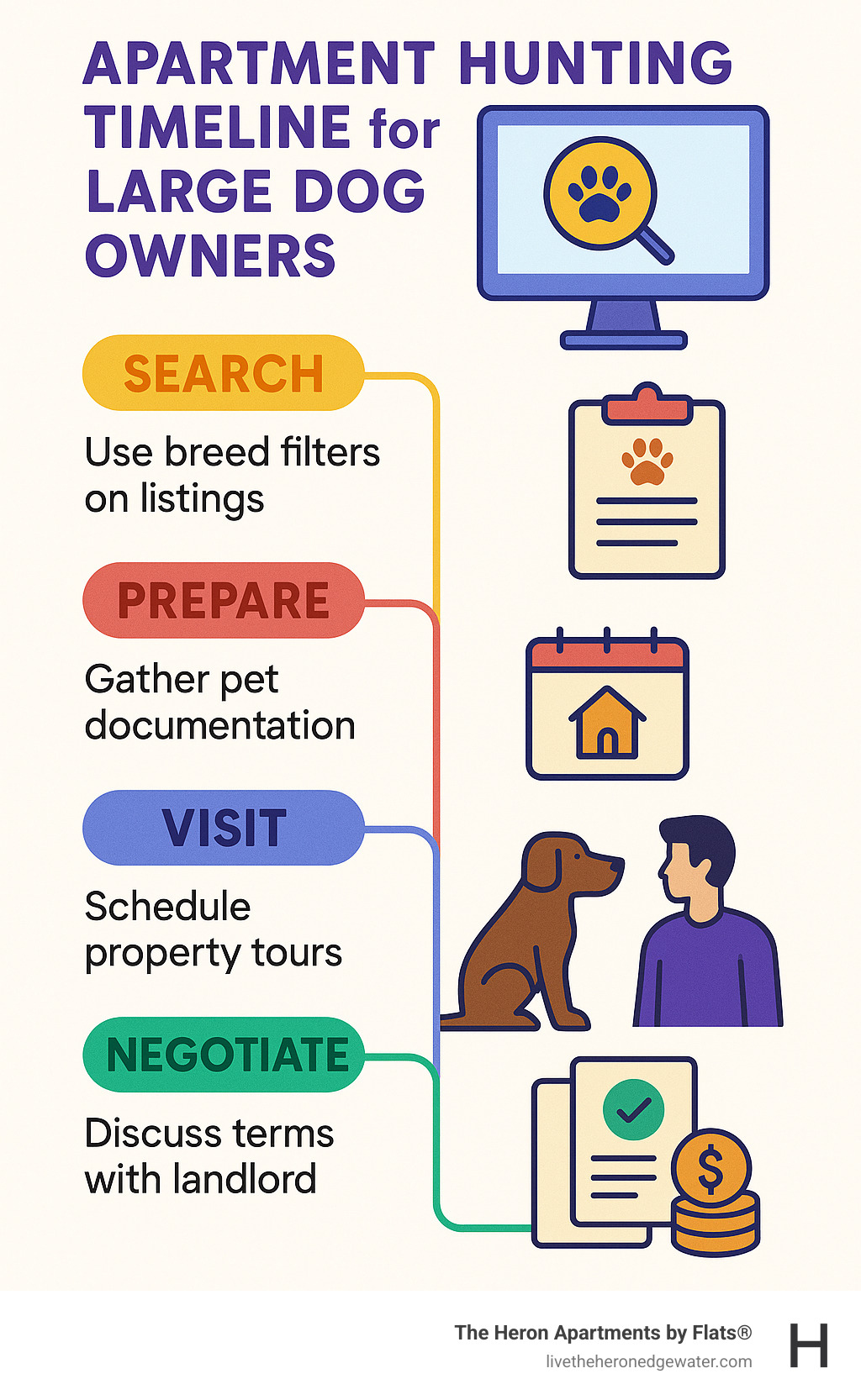
What Exactly Is a "Large Dog" to Landlords?

Here's where things get tricky - what you consider a "medium" dog might be classified as "large" by your future landlord. Understanding these definitions can save you hours of frustration during your search.
Most property managers draw the line at 50 pounds. Anything above that weight typically falls into the large dog category, even though many dog lovers would consider a 55-pound Golden Retriever perfectly manageable.
Small dogs usually weigh under 25 pounds - think Chihuahuas and Pomeranians. Medium dogs fall between 25-50 pounds, including Beagles and Cocker Spaniels. Once your furry friend hits 50+ pounds, they're officially "large" in rental terms. Giant breeds like Great Danes and Mastiffs weighing 80+ pounds face the toughest restrictions.
Your lovable Great Dane might tip the scales at 150 pounds, while a German Shepherd typically weighs 60-90 pounds. Cane Corsos often reach 100+ pounds, and Rottweilers usually weigh between 80-135 pounds.
Insurance companies drive many of these policies. When landlords face higher premiums or coverage exclusions for certain breeds, they often pass those restrictions on to renters.
Some forward-thinking properties focus on temperament over size. They'll welcome a well-trained 80-pound Lab but might reject a reactive smaller dog. These communities often require temperament tests or training certificates instead of blanket weight bans.
Size vs. Breed Restrictions
Weight limits are black and white. If your dog weighs 60 pounds and the limit is 50, you're out of luck - unless you can negotiate. Some landlords will bend weight rules for an extra deposit or pet rent, especially if your dog has stellar references.
Breed restrictions are trickier territory. These lists often target pit bull types, Doberman Pinschers, Akitas, and Chow Chows regardless of size or individual temperament. A 40-pound pit mix might face more restrictions than a 70-pound Golden Retriever simply because of breed stereotypes.
Insurance companies create many breed restriction lists based on liability concerns rather than actual bite statistics. Mixed breeds can get caught in this web too. If your rescue has any restricted breed ancestry, you might hit roadblocks.
Local laws add another layer of complexity. Some cities prohibit breed discrimination in housing, while others have breed-specific legislation that affects rental policies.
Why the Search Feels Impossible
Let's be honest - hunting for apartments allowing large dogs can feel like looking for a unicorn. You've probably refreshed apartment listing sites dozens of times, only to find the same disappointing "25-pound weight limit" notice over and over again.
The frustration is real, and it's backed by some pretty sobering numbers. While pet-friendly buildings enjoy lower vacancy rates (around 10% compared to 14% for non-pet properties), most of these "pet-friendly" places draw the line well before your German Shepherd or Great Dane makes the cut.
Property damage fears top the list of landlord concerns. A large dog's enthusiastic tail can knock over lamps, scratch hardwood floors, or leave nose prints on windows that require professional cleaning. One incident involving torn carpet or chewed baseboards can cost thousands in repairs.
Then there's the noise factor. Your sweet Saint Bernard might be quiet as a mouse at home, but landlords worry about barking complaints from neighbors. Late-night woofs echoing through thin walls can trigger lease violations and angry phone calls that property managers would rather avoid entirely.
Insurance premiums create another major hurdle. Many insurance companies either refuse coverage or charge significantly higher rates for properties that allow certain breeds. Some policies specifically exclude coverage for incidents involving dogs over 50 pounds, leaving landlords personally liable for any problems.
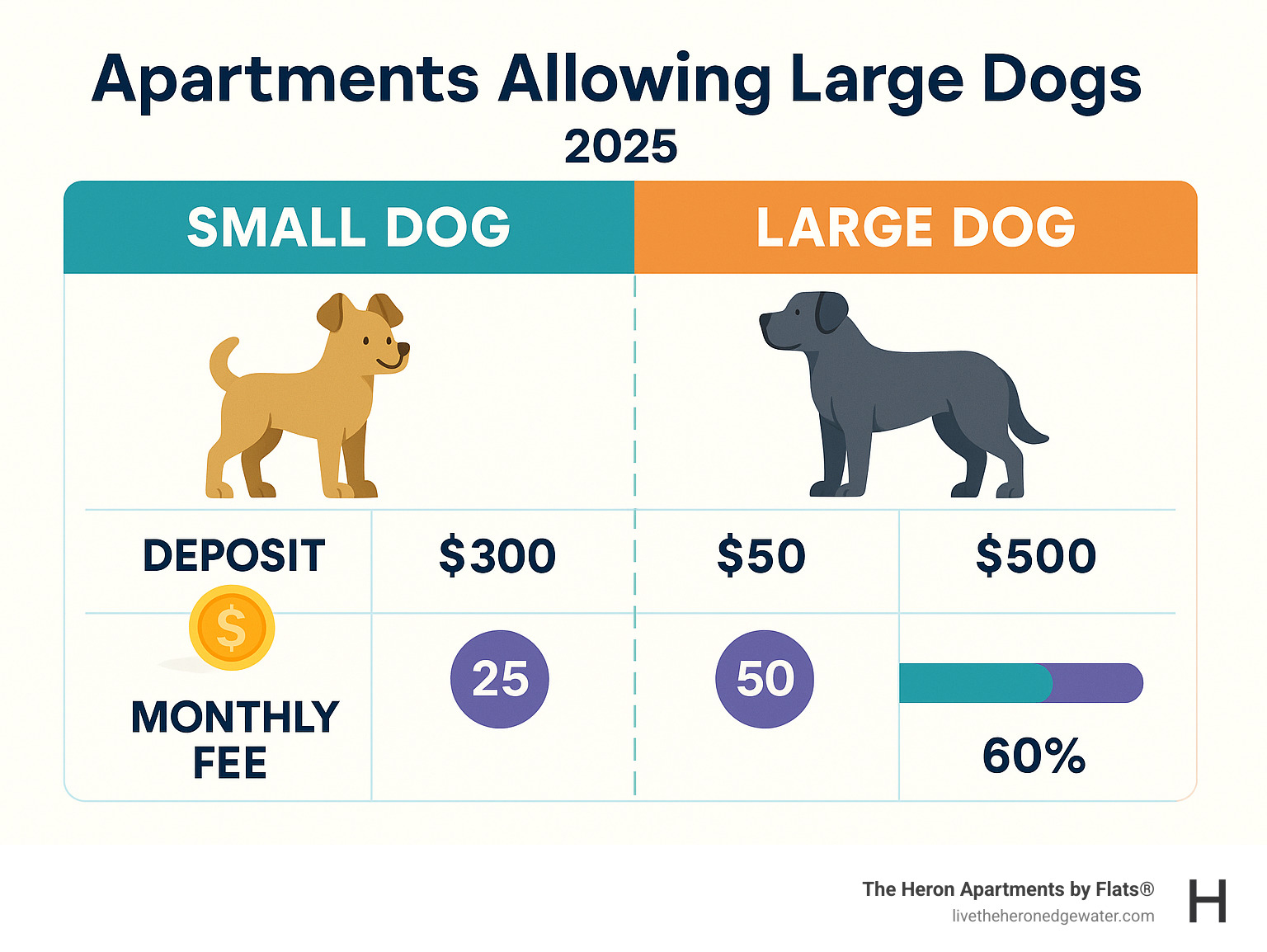
The financial impact shows up in those hefty pet deposits ranging from 40-85% of monthly rent. These aren't arbitrary numbers - they reflect real costs landlords face when pets cause damage. Add monthly pet rent fees, and the total can make your head spin.
Common Weight & Breed Bans
Weight limits hit you first, and they're usually non-negotiable. The 25-pound cap eliminates almost every breed except toy dogs and small terriers. Move up to a 35-pound limit, and you might squeeze in a Beagle or Cocker Spaniel. The more generous 50-pound threshold opens doors for Labs and Golden Retrievers, but your Rottweiler is still out of luck.
Breed restrictions add another layer of complexity. These lists often read like a "who's who" of popular large breeds: pit bull types, German Shepherds, Dobermans, Rottweilers, Great Danes, and Mastiffs frequently make the cut.
Insurance companies drive many of these decisions. Certain breeds trigger automatic coverage exclusions or premium increases, regardless of individual temperament or training.
Legal Exceptions for Service & Emotional Support Animals
Federal law provides a crucial escape hatch for people who need their dogs for medical reasons. Service animals receive the strongest protections under the Americans with Disabilities Act. These working dogs can't be restricted by breed, size, or weight limits, and landlords can't charge pet deposits or monthly fees.
Emotional support animals get different but important protections under the Fair Housing Act. While they don't have the same public access rights as service dogs, they're exempt from pet policies in housing situations.
The key difference matters: service animals perform specific trained tasks for people with disabilities, while emotional support animals provide therapeutic benefits through companionship. Both require proper documentation.
How to Locate and Secure Apartments Allowing Large Dogs

Successfully finding apartments allowing large dogs feels like solving a puzzle, but the right approach makes all the difference. The key is knowing where to look and how to stand out from other applicants.
Your best starting point is specialized databases that cater specifically to pet owners. The National Dog Inclusive Rental Database maintains the country's most comprehensive list of properties with flexible pet policies.
Don't limit yourself to just apartment complexes. Single-family homes and townhouses typically offer more flexibility with pet policies. Corporate housing companies also tend to have more standardized, pet-friendly approaches compared to individual landlords.
Geography plays a huge role in your success rate. Texas and parts of the Midwest consistently show more openness to large breeds, while dense urban areas often maintain stricter restrictions.
For those searching in the Chicago area, Apartments That Allow Big Dogs provides valuable local options that understand urban large dog ownership challenges.
Apartments Allowing Large Dogs: Online Search Hacks
Smart search strategies can cut your hunting time in half while uncovering hidden gems that other renters miss completely.
Start by setting up saved searches with alerts on major rental platforms. Use specific filters like "no weight limit" and search for exact phrases like "all breeds welcome" in property descriptions.
The Scientific research on pet retention database reveals which properties maintain consistent pet-friendly policies versus those that frequently change their rules.
Direct outreach often works better than online applications. Contact property management companies directly through their websites rather than relying solely on third-party listing sites.
Social media groups for your specific breed or local dog owners frequently share insider tips about upcoming vacancies and landlord recommendations.
Building a Winning Pet Resume & Reference Packet
Think of your dog's application package as a job interview portfolio. Professional presentation and thorough documentation can overcome initial hesitation from landlords.
Start with high-quality photos that show your dog's calm, well-behaved nature. Include shots of them sitting quietly, interacting gently with people, and following basic commands.
Your documentation should include complete vaccination records, spay/neuter certificates, and microchip registration. Training certificates carry significant weight - basic obedience completion shows commitment, while Canine Good Citizen certification demonstrates exceptional behavior standards.
Previous landlord references provide the most convincing evidence of responsible pet ownership. Include specific contact information and ask former landlords to mention any positive interactions with neighbors or lack of property damage.
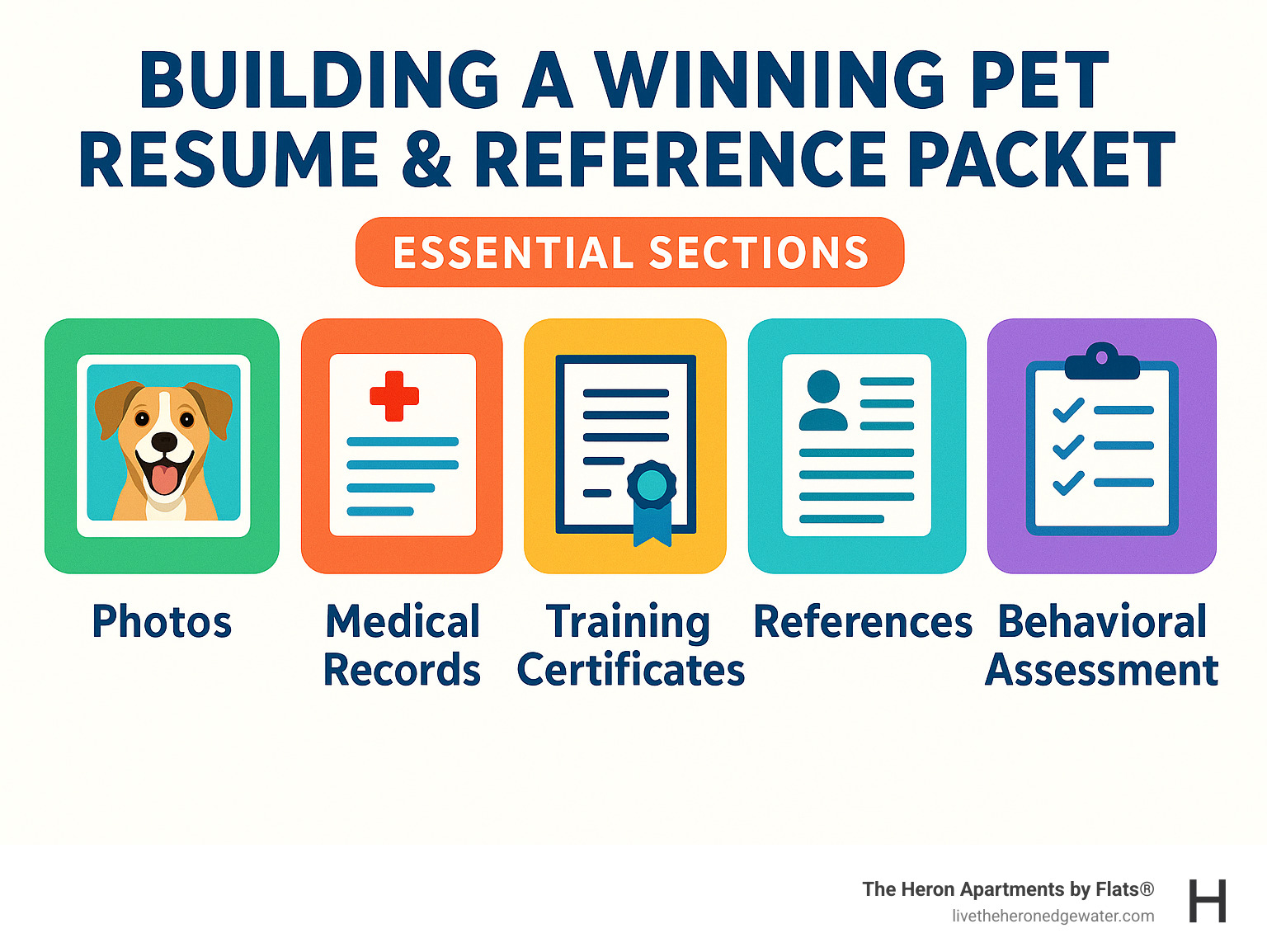
Pet insurance documentation shows financial responsibility and preparedness for unexpected medical expenses. Format everything professionally with clean layouts and clear organization.
Negotiating for Apartments Allowing Large Dogs
Even properties with stated restrictions sometimes make exceptions for prepared, professional applicants who address their concerns upfront.
Offering higher security deposits demonstrates confidence in your dog's behavior while providing landlords with financial protection. Some successful tenants pre-pay several months of pet rent to show commitment.
Request a pet interview where landlords can meet your dog in person. Well-behaved dogs often overcome initial prejudices about their breed or size when landlords see their actual temperament.
Timing your approach matters significantly. Call during business hours when decision-makers are available, and be prepared to provide documentation immediately. Smaller, independent landlords typically have more flexibility than large management companies bound by corporate policies.
Liability insurance documentation can address landlords' biggest fear - potential lawsuits from dog-related incidents. Many renters insurance policies include this coverage.
Budgeting & Paperwork: Fees, Insurance, Fine Print

Finding apartments allowing large dogs is just the first step - understanding the real costs helps you budget properly and avoid surprises. The financial reality of renting with a large dog extends far beyond your monthly rent.
Most properties structure pet fees in predictable ways, but the amounts can vary dramatically. Pet deposits typically range from 40-85% of your monthly rent, which means a significant upfront cost. Monthly pet rent usually falls between $50-$100 per dog, adding hundreds to your annual housing expenses.
Here's where large dogs face additional challenges: many properties charge premium rates based on weight. Your 80-pound Labrador might cost 25-50% more than your neighbor's 30-pound Cocker Spaniel.
Renters insurance becomes more complex when you have a large dog. Standard policies sometimes exclude certain breeds or require additional liability coverage. Pet liability insurance costs extra annually but often qualifies you for reduced apartment deposits.
The Canine Good Citizen certification offers real financial benefits. This AKC program demonstrates your dog's training and temperament, often resulting in fee reductions or easier approval processes.
Hidden Costs Checklist
Beyond the obvious pet fees, large dog ownership in apartments creates expenses that many renters don't anticipate.
Move-related expenses hit hardest during transitions. Professional carpet cleaning, wall touch-ups, and deep cleaning fees are standard when moving out with pets. Some buildings charge elevator padding fees during moves to protect against scratches.
Your daily routine costs change significantly with apartment living. Dog walker services become essential when you can't provide mid-day breaks, and rates vary by location and dog size. Doggy daycare provides exercise and socialization that's harder to achieve in apartment settings.
Seasonal considerations affect your budget differently in apartments. Winter weather means investing in protective gear for outdoor time, while summer heat requires cooling solutions for smaller living spaces.
Utility impacts often surprise new apartment dwellers. Large dogs mean more door openings for walks, affecting heating and cooling costs. Additional laundry from muddy paws and shedding, higher water usage for baths, and occasional carpet cleaning equipment rental all add to monthly expenses.
Must-Have Apartment & Community Features for Big Pups

When you're hunting for apartments allowing large dogs, certain features transform from "nice-to-have" into absolute necessities. Your 80-pound Golden Retriever has different needs than a tiny Chihuahua, and your apartment should reflect that reality.
Ground-floor access becomes crucial when your dog needs emergency bathroom breaks or struggles with mobility issues. Nobody wants to wait for a crowded elevator when nature calls urgently. Wide hallways matter too - trying to steer narrow corridors with a Great Dane on a leash while carrying groceries is an exercise in frustration.
Hardwood floors or other hard surfaces beat carpet every time for large dog owners. Muddy paws, shedding, and the occasional accident are much easier to manage on surfaces that actually clean properly. Plus, your security deposit stays safer when you're not worried about ground-in dirt and pet odors in carpeting.
Private outdoor space changes everything for large dog families. A private patio or balcony gives your pup a safe space to relax outdoors and provides you with convenient access for quick relief breaks.
On-site dog parks eliminate the daily stress of finding suitable exercise areas. When your building includes a dedicated dog run, your large breed gets the space they need to stretch their legs and socialize safely. Pet washing stations become lifesavers after muddy walks or messy trips - professional-grade equipment makes cleanup faster and more thorough than cramming your big dog into a standard bathtub.
The best communities understand that in-unit laundry matters more for large dog owners who go through towels, blankets, and cleaning supplies at a faster pace.
Amenities That Make Large-Dog Life Easier
Modern apartments allowing large dogs go beyond basic acceptance to create environments where both pets and owners thrive. These thoughtful touches can justify higher rent through the daily convenience they provide.
Professional grooming stations with proper restraint systems let you handle basic maintenance without wrestling your large dog in cramped bathroom spaces. Rooftop dog runs provide secure exercise areas with city views - perfect for urban environments where ground-level green space is limited.
Soundproof walls between units protect you from noise complaints when your dog gets excited about delivery trucks or squirrels. Wide elevator access and covered walkways to outdoor areas make daily life smoother, especially during harsh weather.
Smart buildings now offer app-based pet registration and digital policy management, making it easier to handle pet-related paperwork and payments. The most forward-thinking properties offer resident dog training classes and seasonal pet events that build community while helping large dogs stay well-socialized.
Regional Hotspots & Companies Welcoming All Breeds
Finding apartments allowing large dogs becomes much easier when you know which regions roll out the red carpet for four-legged family members of all sizes. Some areas have genuinely accepted the idea that a dog's character matters more than their breed or weight.
Texas leads the pack when it comes to large-dog acceptance. The Dallas-Fort Worth area has developed a reputation for breed-inclusive policies that focus on temperament rather than stereotypes. Properties like Dane Park North Garland demonstrate how successful this approach can be - they welcome all breeds through behavioral assessment programs.
The Midwest shows surprising flexibility too. Cities like Chicago, Minneapolis, and Kansas City have property managers who understand that responsible pet ownership isn't determined by dog size. These markets often feature the outdoor space and lifestyle that make large dogs practical choices for renters.
Mountain West communities in Denver and Salt Lake City naturally accommodate the outdoor-focused lifestyle that large dog owners often prefer. The abundance of hiking trails and open spaces makes these areas particularly welcoming to breeds that need substantial exercise.
Several national property management companies have moved beyond outdated breed restrictions. These forward-thinking companies implement weight limits of 70+ pounds and use temperament testing to evaluate individual dogs rather than making assumptions based on breed alone.
For those considering the Chicago area specifically, More info about pet-friendly apartment rentals Chicago offers detailed insights into local options and policies.
Where Big Dogs Get Big Love
The difference between struggling to find housing and having multiple options often comes down to choosing the right geographic market. Suburban communities consistently offer more flexibility than dense urban areas, partly because they have more space and partly because they understand the family-oriented lifestyle that often includes larger dogs.
College towns frequently surprise large dog owners with their accommodating policies. These communities are accustomed to diverse residents with varying needs, and they often have the infrastructure to support active lifestyles.
Climate plays a bigger role than many people realize. Moderate climates that support year-round outdoor access tend to be more welcoming to large breeds. Property managers in these areas understand that a tired dog is a well-behaved dog.
Areas with established pet industry presence - think cities with veterinary schools, major pet companies, or strong rescue communities - typically demonstrate greater understanding of responsible pet ownership. These markets have moved past breed stereotypes toward more nuanced policies.
Frequently Asked Questions about Apartments Allowing Large Dogs
Finding apartments allowing large dogs raises common questions that every pet owner faces during their search. Here are the answers that can make your hunt more successful.
What documents convince landlords to waive weight limits?
Getting a landlord to bend their weight restrictions comes down to proving your dog is an exceptional tenant. The magic combination includes AKC Canine Good Citizen certification - this single document carries more weight than almost anything else because it shows your dog passed standardized behavioral tests.
A professional behavioral assessment from a certified trainer provides third-party validation of your dog's temperament. Pair this with a detailed veterinary letter that goes beyond basic health records to specifically address temperament and socialization.
The game-changer is often a previous landlord reference that includes specific details about damage history (or lack thereof). When a property manager hears "zero damage deposits withheld over three years," it speaks louder than any promise you can make.
Pet liability insurance demonstrates you're prepared for worst-case scenarios, while professional photos showing your calm, well-groomed dog help landlords visualize success rather than problems. The key is presenting a complete picture of responsible ownership rather than just meeting minimum requirements.
How can I avoid or reduce monthly pet rent?
Monthly pet rent adds up fast, but several strategies can minimize these ongoing costs. The most effective approach is negotiating higher upfront deposits in exchange for reduced or eliminated monthly fees. Many landlords prefer guaranteed money now over uncertain monthly collections.
Demonstrating the cost savings your tenancy provides can open negotiation doors. Pet owners typically stay longer, reducing expensive turnover costs. Properties with pet-friendly tenants often see lower vacancy rates and more stable rental income.
Pet insurance coverage reduces landlord liability concerns, which sometimes translates to fee reductions. Offering to sign longer lease terms with pet fee discounts creates win-win situations - you save money while providing landlords with guaranteed occupancy.
Location matters significantly. Some municipalities restrict landlords' ability to charge ongoing pet rent, making geographic selection crucial for long-term savings. Research local rental laws before committing to any area.
Do breed bans violate any federal laws?
Breed restrictions in private housing are generally legal under federal law, but important exceptions exist that could help your situation. Service animals cannot be restricted based on breed under the Americans with Disabilities Act, regardless of size or type.
The Fair Housing Act protects emotional support animals from breed discrimination when properly documented by licensed mental health professionals. These protections override standard pet policies and eliminate associated fees.
Some states have enacted breed-neutral legislation affecting rental properties, recognizing that individual behavior matters more than breed stereotypes. Local ordinances may also prohibit breed-specific restrictions, creating additional protections.
However, individual property owners retain significant discretion in pet policies for non-protected animals. The legal landscape continues evolving, with jurisdictions increasingly moving toward breed-neutral approaches that focus on behavior rather than appearance.
Understanding these protections helps you steer restrictions more effectively and identify properties where your large dog will be welcomed rather than merely tolerated.
Conclusion
The journey to find apartments allowing large dogs might feel overwhelming at first, but it's absolutely achievable with the right strategy and mindset. Your Great Dane, German Shepherd, or gentle giant deserves a beautiful home just as much as any smaller pup.
The most successful large dog owners approach their housing search like a well-planned campaign. They prepare professional pet documentation, research dog-friendly neighborhoods, and understand that paying slightly higher deposits often leads to better living situations overall. Most importantly, they don't give up after the first few rejections.
What's encouraging is that many of the most welcoming properties for large dogs also happen to be the nicest places to live. Buildings that accept pets typically feature thoughtful amenities, responsive management, and communities of fellow animal lovers who understand the joy of sharing life with a four-legged family member.
The search process teaches you something valuable about potential landlords and neighbors too. Properties that judge dogs by their individual behavior rather than breed stereotypes often apply the same thoughtful approach to tenant relationships. You're not just finding housing - you're finding a community that values what matters to you.
For those considering the Chicago area, The Heron Apartments by Flats® in Edgewater represents exactly this kind of thoughtful approach to pet-friendly living. The adaptable Ori units provide flexible spaces that work beautifully for large dog owners, while the rooftop lounge offers both you and your pup a place to unwind with stunning city views.
The Edgewater location puts you steps from Chicago's incredible lakefront trail system - a paradise for dogs who need substantial daily exercise. Those in-unit laundry facilities become a game-changer when you're dealing with muddy paws after lakefront trips.
The reality is that finding quality apartments allowing large dogs requires patience, but the reward is worth every extra phone call and application. Your dog brings joy, companionship, and unconditional love to your life. The right apartment community will recognize that value and welcome you both with open arms.
Ready to find luxury living designed with pet owners in mind? Apartments Near Me That Allow Dogs - schedule a tour today and see how The Heron makes both you and your large dog feel right at home.