

Why Walk-In Showers Are Changing Modern Bathrooms
Walk-in showers are changing how we think about bathroom design. They combine sleek aesthetics with practical functionality, making them the go-to choice for modern living spaces.
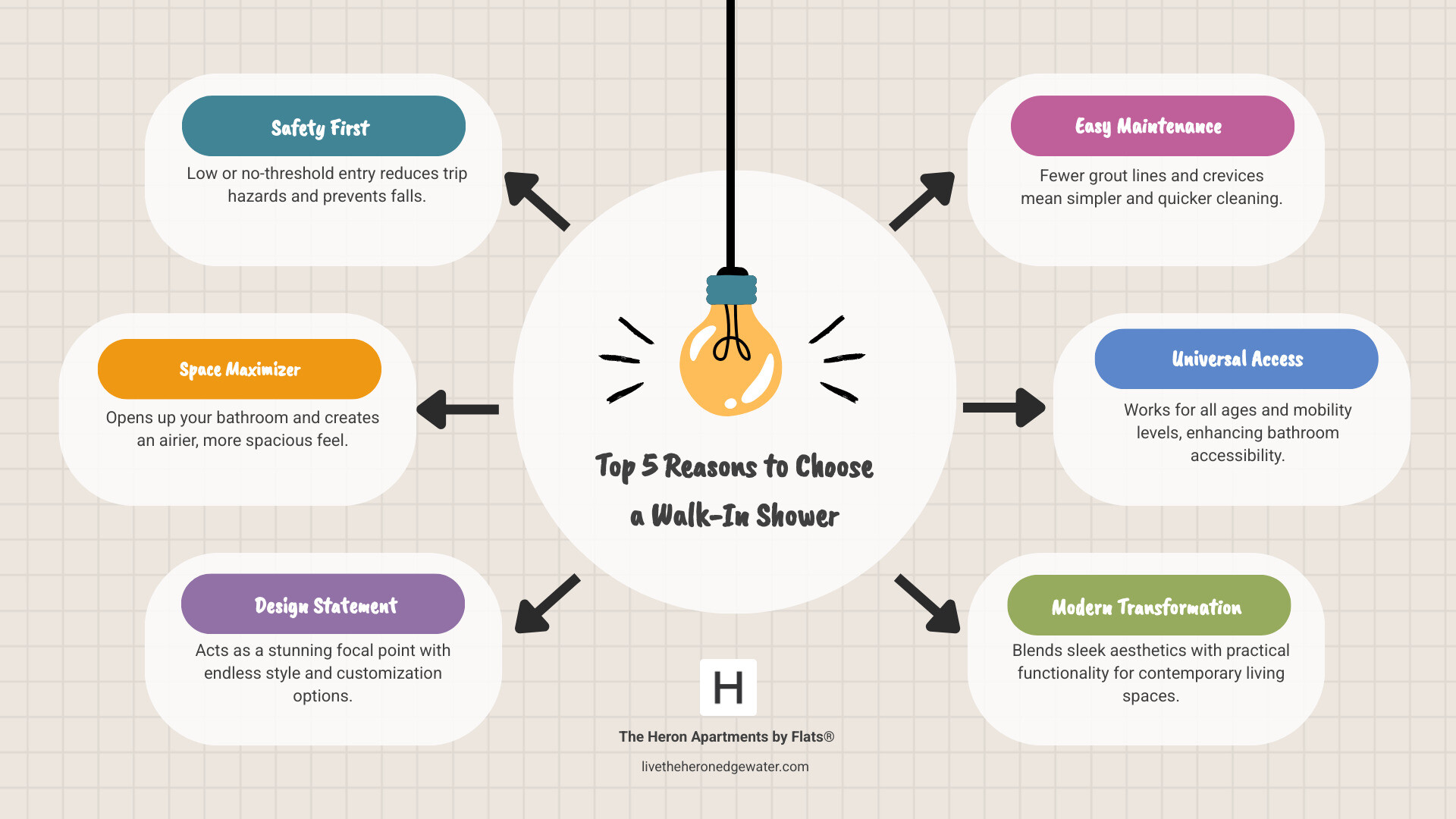
Top 5 Reasons to Choose a Walk-In Shower:
- Safety First - Low or no-threshold entry reduces trip hazards and prevents falls
- Space Maximizer - Opens up your bathroom and creates an airier feel
- Design Statement - Acts as a stunning focal point with endless style options
- Easy Maintenance - Fewer grout lines and crevices mean simpler cleaning
- Universal Access - Works for all ages and mobility levels
If you're tired of your outdated tub or cramped shower stall, you're not alone. Most bathroom injuries happen from falls, and traditional bathtubs with high curbs are often the culprit. Walk-in showers eliminate this risk while delivering a spa-like experience right at home.
The best part? Walk-in showers aren't just about safety. They're about creating a bathroom that feels luxurious, spacious, and uniquely yours. From minimalist glass panels to dramatic patterned tiles, from rainfall showerheads to built-in seating, the customization options are endless.
Whether you're working with a compact bathroom or a generous master suite, a well-designed walk-in shower can completely transform your space. Many installations can even be completed in just one day, making this a convenient upgrade.
Why a Walk-In Shower is a Superior Choice
When we consider a bathroom upgrade, it's not just about aesthetics; it's about enhancing our daily lives. Walk-in showers offer a multitude of benefits that extend far beyond their stunning appearance. They represent a significant step forward in bathroom design, blending style with unparalleled practicality.
One of the most compelling reasons to choose a walk-in shower is its improved safety. Statistics show that most household injuries occur from falls in the bathroom, and traditional bathtubs with high ledges are often significant hazards. Walk-in showers, especially those with low- or no-threshold entry options, dramatically reduce this risk. A low step-in, ideally 3 inches or less, minimizes the chance of tripping and makes entry and exit safer for everyone, including seniors or individuals with mobility issues. This barrier-free design is a cornerstone of creating a truly safe and comfortable bathroom environment for all ages, promoting what we call "Bathroom safety for all ages."
Beyond safety, walk-in showers offer superior accessibility. They can be customized to meet ADA compliance standards, incorporating features like grab bars and built-in seating. This thoughtful design ensures that individuals with limited mobility, or those using wheelchairs or walkers, can steer the space with ease and independence. The open layouts common to walk-in showers provide ample room to move, guide, or stabilize, which is invaluable for caregivers assisting loved ones. Handheld shower solutions, which are adjustable and within reach whether standing or seated, further improve this flexibility and independence.
Space optimization is another key advantage. Unlike bulky traditional bathtubs, walk-in showers can make a bathroom feel significantly larger and more open. Fixed glass panels, for instance, delineate the shower area without visual obstruction, creating an illusion of expanded space even in smaller bathrooms. This sleek, minimalist approach contributes to a modern aesthetic that many of us desire in our homes.
Speaking of modern aesthetics, walk-in showers are inherently stylish. They transform a utilitarian space into a luxurious, spa-like retreat. Their clean lines and uncluttered appearance lift the entire bathroom, making it a focal point of contemporary design. Whether you prefer a minimalist look or a more intricate design, a walk-in shower serves as a versatile canvas for your personal style.
Finally, walk-in showers are easier to clean. With fewer crevices, grout lines (especially with large format tiles or solid panels), and awkward corners, maintenance becomes a breeze. This design consideration not only saves time but also helps prevent the buildup of mold and mildew, contributing to a healthier living environment.
In comparison to traditional bathtubs or shower/tub combinations, walk-in showers excel in functionality, safety, and aesthetics. While a modern bathtub shower combo can be configured with mobility in mind, offering a soaking option alongside shower functionality, the dedicated walk-in shower often provides a more seamless and universally accessible experience. It's a smart, long-term solution that evolves with our needs, offering peace of mind, comfort, and practical support for daily routines.
Designing Your Dream Walk-in Shower
Designing a walk-in shower is an exciting opportunity to infuse your personal style into your home while enhancing functionality. It's about creating a space that not only looks breathtaking but also serves your needs perfectly, whether you're starting your day or unwinding after a long one. The beauty of walk-in showers lies in their incredible customization potential, allowing us to craft a truly unique and cohesive bathroom design.

When we design our dream walk-in shower, we're not just picking fixtures; we're creating a focal point for the entire bathroom. From the overall layout to the smallest details, every choice contributes to a harmonious and inviting space. The key is to consider how the walk-in shower integrates with the rest of the bathroom's aesthetics and practical elements.
Trending Styles and Aesthetic Options
The world of walk-in shower design is constantly evolving, offering a plethora of trending styles to inspire us. From serene spa-like retreats to rustic charm, there's a look for every taste.
- Minimalist Design: This style emphasizes clean lines, neutral palettes, and uncluttered spaces. Think frameless glass enclosures, large format tiles, and sleek, integrated storage. Simple white subway tile, for example, is a timeless design element that contributes to a sense of spaciousness and never goes out of style.
- Spa-Like Retreat: Imagine a tranquil oasis with rainfall showerheads, ambient lighting, and natural textures. Marble tile in earthy hues and minimalist chrome fixtures can create a natural grotto feel, while pebble mosaic tile adds a beautiful, tactile texture. A skylight can be the crowning glory, letting in glorious natural light to improve this serene atmosphere.
- Modern Farmhouse: This popular style blends rustic elements with contemporary finishes. Consider subway tiles paired with matte black or brushed nickel fixtures, perhaps with natural wood accents on a bench or shelving.
- Natural Wood Accents: Incorporating teak or other moisture-resistant wood elements, such as a built-in bench or a slatted floor section, adds warmth and organic beauty.
- Bold Tile Patterns: Don't shy away from making a statement. Hand-painted tiles, chevron floor tiles, or intricate tile mosaics can act as wall art, bringing a handcrafted look and bold graphic style to your shower. We can even explore the wavy, imperfect beauty of zellige tile for a bespoke aesthetic.
- Zellige Tile: This handmade tile adds unique texture and character, perfect for creating a one-of-a-kind look.
- Subway Tile: A classic for a reason, subway tile is versatile and can be installed from floor to ceiling for a timeless, neat finish.
- Hexagon Tile: Whether in marble or a vibrant ceramic, hexagon tiles can cover walls, ceilings, and floors, adding pattern and texture.
- Arched Entrances: For a touch of architectural grandeur, an arched entrance can create a sculptural and inviting bathing area.
- Monochromatic Schemes: Varying shapes and sizes of tile in the same hue can create depth and interest without overwhelming the space.
- Blue Tile: A blue tile floor or niche can add a bold pop of color, while a blue and white color scheme can evoke a traditional, serene feel.
These design options allow us to create a space that not only meets our practical needs but also reflects the sophisticated and comfortable lifestyle we enjoy at our apartments, much like the thoughtful design we see in our Apartments with Yoga Studio.
Key Features for a Safe and Accessible walk-in shower
Beyond aesthetics, the true brilliance of walk-in showers lies in their ability to integrate safety and accessibility seamlessly into beautiful design. This is particularly important as we plan for long-term comfort and independence.
- Built-in Seating: An integrated bench or shower seat offers added support and a comfortable place to rest, especially during longer showers. These can be neat marble, practical composite, or even folding seats that tuck away when not in use. A built-in marble seat can serve multiple purposes: a spa seat, a place to prop a leg for shaving, or a convenient spot for shampoo bottles.
- Integrated Grab Bars: Modern grab bars are no longer clinical fixtures. Available in sleek finishes like brushed nickel, matte black, or chrome, they can look just as stylish as any other fixture while providing essential support. Strategically placed, they minimize the risk of falls.
- Handheld Shower Wands: Adjustable and within easy reach whether standing or seated, handheld showerheads provide both independence and flexibility. They are invaluable for targeted rinsing, assisting with bathing, or even cleaning the shower itself.
- Recessed Storage Niches: A modern walk-in shower designed for aging in place should include easy-to-reach, clutter-free storage. Recessed shower lockers or built-in shelves are ideal because they keep shampoo and soap off the floor, require no bending or reaching, and maintain a clean, minimalist aesthetic. Paired with ergonomic fixture placement (around waist-to-shoulder height), they make the shower fully usable from any position.
- Low or No-Threshold Entry: This is perhaps the most critical safety feature. A low step-in (ideally 3 inches or less) or a completely curbless design reduces the risk of tripping and allows for effortless wheelchair or walker access. This barrier-free entry simplifies everyday care, making it easier to assist with bathing without lifting or awkward angles.
- Non-Slip Surfaces: Textured shower pans and flooring materials with good grip are crucial for preventing slips. Many modern low-profile shower bases feature textured surfaces designed for secure footing without sacrificing style. Small tiles or mosaic tiles on the shower floor also provide more grout lines, which can naturally increase traction.
These thoughtful features ensure that our walk-in showers are not only beautiful but also provide peace of mind, comfort, and practical support for daily routines, catering to all life stages.
Material and Finish Options for your walk-in shower
The materials and finishes we choose for our walk-in shower play a pivotal role in its overall look, feel, and longevity. We have a wide array of options to create a space that is both stunning and durable.
- Grout-Free Panels: For a sleek, low-maintenance solution, consider acrylic shower walls or solid-surface panels. These mimic upscale tile or natural stone while eliminating the maintenance hassles of grout, which can be prone to mold and mildew. They are easier to clean with fewer crevices to scrub.
- Large-Format Porcelain Tile: Porcelain tile is an excellent choice for walk-in showers due to its durability, water resistance, and versatility. Large format tiles (e.g., 24x48 inches) create a sense of spaciousness and a seamless look, requiring less grout. Travertine-look porcelain tile, for example, offers the aesthetic appeal of natural travertine with the benefits of porcelain.
- Natural Stone: Materials like marble tile or limestone tile can add incredible luxury, warmth, and texture. Marble is versatile for floors, walls, and showers, offering a clean yet rich organic detail. Limestone can feature small shells and fossils, adding unique character. However, natural stone requires more maintenance than porcelain or solid panels.
- Textured Floors: For improved safety, choose shower pans or floor tiles with grip surfaces. This can include textured porcelain, mosaic mesh tiles, or pebble mosaic tiles, all of which help reduce the chance of slipping.
- Frameless Glass Doors: These are a hallmark of modern walk-in showers. They create an airy, open feel, making the bathroom appear larger by allowing light to flow freely. Easy-slide shower doors are also an option for accessibility and convenience. Glass doors without color distortion can make the shower practically disappear, enhancing the sense of space.
- Matte Black Hardware: A popular contemporary choice, matte black fixtures and hardware provide a bold, sophisticated contrast, especially against lighter tiles or walls.
- Brushed Brass Fixtures: For a touch of warmth and elegance, brushed brass finishes add an opulent feel, reminiscent of high-end spa environments.
- Chrome and Brushed Nickel: These classic finishes remain popular for their timeless appeal and versatility, complementing a wide range of design styles.
By carefully selecting these materials and finishes, we can craft a walk-in shower that is not only a functional space but a true design statement within our home.
Practical Considerations for Installation
While the aesthetic appeal of a walk-in shower is undeniable, understanding the practical considerations for installation is crucial for a successful and long-lasting upgrade. We want to ensure our new shower is not only beautiful but also flawlessly functional and compliant with best practices.
Professional installation is highly recommended for walk-in showers. While some might consider DIY, the intricacies of proper waterproofing, drainage, and structural integrity often require specialized knowledge. Our experience shows that a professional team typically handles the entire process, from an initial consultation and precise measurements to fabrication, installation, and a final inspection. This ensures that the shower is custom-fit to our space and built to last. Many professional installations can even be completed in as little as one day, minimizing disruption to our daily routines.
Waterproofing is perhaps the most critical aspect of walk-in shower installation, especially in a city like Chicago where humidity can fluctuate. Unlike a standard shower, a walk-in shower, particularly a curbless one, demands meticulous attention to waterproofing to prevent leaks and moisture damage to surrounding structures. Traditional tile-ready pans, for instance, require significant waterproofing behind the tiles and grout lines. However, low-threshold solid-surface bases and grout-free wall panels can simplify both the look and the installation by reducing the number of seams where water could penetrate. Tiling walls to the ceiling also contributes to a comprehensive waterproofing envelope, protecting the entire shower area.
Proper drainage is another non-negotiable. For a seamless walk-in shower, the floor must be precisely sloped towards the drain to ensure quick water flow and prevent pooling, which can lead to slip hazards and mold/mildew growth. The choice of drain type (linear, center, or corner) and its placement will depend on the shower's design and size. Our team will assess existing plumbing and ensure optimal drainage for a worry-free experience.
Ventilation requirements are often overlooked but are vital for maintaining a healthy bathroom environment. Adequate ventilation prevents moisture buildup, which can lead to mold, mildew, and damage to finishes. An appropriately sized exhaust fan is essential to quickly remove steam and humidity after showering. This is particularly important for walk-in showers, which can generate a significant amount of steam due to their open nature or large size.
Finally, a thorough plumbing assessment is part of the professional installation process. This ensures that existing water lines, pressure, and drainage systems are adequate for the new walk-in shower configuration, especially if we're adding features like multiple showerheads or relocating fixtures. Addressing these practical considerations upfront guarantees that our walk-in shower is not just a beautiful addition but a functional, safe, and durable part of our home for years to come.
Frequently Asked Questions
We understand that changing your bathroom with a walk-in shower can bring up many questions. Here, we address some of the most common inquiries to help you make informed decisions.
What is the best flooring for a walk-in shower?
Choosing the right flooring for a walk-in shower is crucial for both safety and aesthetics. We prioritize materials that are durable, water-resistant, and provide good traction.
- Ceramic Tile: A popular and versatile choice, ceramic tiles are durable, water-resistant, and come in a vast array of colors and patterns, offering great design flexibility.
- Porcelain Tile: Even more durable and denser than ceramic, porcelain tile is an excellent option for walk-in shower flooring. It's highly resistant to water, stains, and wear, making it ideal for high-moisture environments. Large format porcelain tiles can create a seamless look, while smaller mosaic porcelain tiles can add intricate patterns.
- Non-Slip Texture: Regardless of the material, we always recommend choosing tiles with a matte or textured finish, or those specifically rated for slip resistance. This helps prevent falls, especially when the floor is wet. Many modern shower pans also come with integrated grip surfaces.
- Small Tiles for Grip: Smaller tiles, such as mosaic mesh tiles or pebble mosaic tiles, inherently offer more grout lines. These grout lines provide additional traction, making the shower floor less slippery. They also conform well to the necessary slope for proper drainage.
- Ease of Maintenance: When selecting flooring, consider how easy it will be to clean. Grout-free shower pans or large-format tiles minimize grout lines, reducing the areas where mold and mildew can accumulate.
Both ceramic and porcelain tiles are excellent choices for walk-in shower flooring due to their durability, water resistance, safety (when chosen with appropriate texture or size), and ease of maintenance.
How can a walk-in shower make a small bathroom feel larger?
It might seem counterintuitive, but a well-designed walk-in shower can actually make a small bathroom feel significantly more spacious and open. Here's how we achieve this:
- Glass Enclosures: The use of clear, frameless glass panels or doors is key. Unlike opaque shower curtains or solid walls, glass allows light to pass through, creating an uninterrupted visual flow across the room. This seamless look makes the bathroom feel larger and airier. Glass doors without color distortion can make the shower practically disappear.
- Doorless Designs: For the ultimate sense of openness, a doorless walk-in shower (often achieved with a single fixed glass panel) removes physical barriers entirely. This minimalist approach visually expands the bathroom and improves accessibility.
- Consistent Tile: Carrying the same flooring tile from the main bathroom floor seamlessly into the walk-in shower creates a continuous surface. This eliminates visual breaks and tricks the eye into perceiving a larger, unified space. We can also use simple white subway tile from floor to ceiling for a clean, expansive look.
- Light Color Palettes: Lighter colors on walls, tiles, and fixtures reflect more light, making the space feel brighter and more open. White, off-white, and light gray tones are excellent choices for small bathrooms.
- Reflective Surfaces: Beyond glass, incorporating elements like large mirrors can amplify light and create an illusion of depth, further enhancing the spacious feel.
- Eliminating the Tub: Replacing a bulky bathtub with a walk-in shower is one of the most effective ways to reclaim significant floor space in a small bathroom. This conversion immediately opens up the room and creates a more functional layout.
- Floating Furniture: Pairing a walk-in shower with floating vanity units or toilets also maximizes floor space, contributing to an uncluttered and expansive feel.
By employing these design strategies, we can transform even the most compact bathroom into a luxurious and seemingly larger oasis with a stunning walk-in shower.
What is the difference between a walk-in shower and a wet room?
While both walk-in showers and wet rooms offer open, barrier-free bathing experiences, there are distinct differences in their design and construction.
- Defined Space: A walk-in shower typically has a defined shower area. This usually includes a low-profile shower tray or base, or a curbless entry with a precisely sloped floor, contained within a specific footprint. The shower space is often delineated by one or more glass screens or panels, which help contain water spray while maintaining an open feel. The rest of the bathroom remains a "dry" area.
- Shower Tray or Base: Most walk-in showers use a low-profile shower tray or a custom-built base that is either flush with the floor or has a very minimal threshold. This base is designed to channel water directly to the drain, keeping the rest of the bathroom floor dry.
- Glass Screen: A key characteristic of a walk-in shower is the use of a glass screen or enclosure. This serves to prevent water from splashing into the main bathroom area, effectively separating the "wet" zone from the "dry" zone.
- Wet Rooms Are Fully Waterproofed: In contrast, a true wet room is entirely open-plan and completely waterproofed. The entire bathroom floor, and often the lower sections of the walls, are treated as a single, fully waterproofed "wet zone." There is no physical barrier or shower tray to separate the shower area from the rest of the room. The floor of the entire bathroom is subtly sloped towards a drain.
- Open-Plan Layout: In a wet room, the toilet, sink, and other bathroom fixtures are all within the waterproofed area, designed to get wet during showering. This creates an incredibly spacious and minimalist look, but requires extensive waterproofing of the entire room.
A walk-in shower offers a more open aesthetic and improved accessibility compared to a traditional shower stall, usually with a defined shower area. A wet room takes this concept further by making the entire bathroom a waterproof, open-plan showering space. While both are fantastic modern options, the choice between them often depends on the extent of renovation desired and the specific needs for water containment.
Conclusion: Your Next Step Towards a Better Bathroom
We've explored the myriad benefits and considerations that make walk-in showers a superior choice for modern living. From their improved safety and accessibility to their capacity for stunning design and easy maintenance, these bathing solutions offer a transformative upgrade for any home. They are a smart, long-term investment that blends style and function, ensuring our bathrooms evolve with our needs and preferences.
Imagine stepping into a spacious, beautifully designed walk-in shower every day, custom to your personal style, with luxurious finishes and thoughtful features that prioritize your comfort and safety. This kind of liftd living experience is at the heart of what we offer at The Heron Apartments by Flats®. Our luxury apartments in Edgewater, Chicago, are designed with modern amenities and a focus on sophisticated living, much like the thoughtful design principles we've discussed for walk-in showers.
Whether you're inspired by minimalist elegance, a spa-like retreat, or a vibrant, bold statement, a walk-in shower can be the centerpiece of your personalized sanctuary. It's an upgrade that brings peace of mind, daily convenience, and a touch of luxury to your everyday routine.
Ready to envision how these modern design principles translate into a luxurious living experience? We invite you to learn more about the exceptional lifestyle awaiting you. Explore our amenities and find how every detail is crafted for your utmost comfort and satisfaction.